Skip to content
  • Subscribe
  • Search
  • What We Do

    Our Approach

    • Mission & Values
    • Ethics & Independence
    • Funding & Finances
    • Our Core Values

    Our Work

    • Research & Analysis
    Explore Our Programs

    Our People

    • Staff and Affiliates
    • Board of Directors
    • Careers

    Where We Work

    • Explore by Region
    • Global Reach
    • Regions (Map View)

    Featured Platforms

    • South Asian Voices
    • 38 North
    • New Security Beat
    • Global Governance Innovation Network
    • Strategic Learning

    Impact

    • News & Announcements
  • Issues

    Research Areas

    • Trade & Technology
    • Security & Strategy
    • Human Security & Governance
    • Climate & Natural Resources

    Emerging Issues

    • Artificial Intelligence
    • Critical Minerals
    • Nuclear Disruption

    Programs

    • Reimagining US Grand Strategy
    • Strategic Foresight Hub
    • Cyber Program
    See All Programs

    Featured

    • Cybersecurity in the Indo-Pacific
    • The Time is Ripe for Next Steps on US-Japan Military Shipbuilding Cooperation

    Regional Focus

    • Asia & Indo-Pacific
    • China
    • Japan
    • Korean Peninsula
    • South Asia
    • Southeast Asia
    • Middle East
    • North Africa
    • Russia
    • Latin America & the Caribbean
  • Analysis

    By Format

    • Policy Memos
    • Commentary & Analysis
    • Explainers
    • Data & Tools
    • Reports

    By Topic

    • Arms Control
    • Artificial Intelligence and Emerging Tech
    • Critical Minerals
    • Search by Topic
  • Events & Engagement

    Events

    • Upcoming Events
    • Past Events and Recordings

    Participate

    • Strategic Learning

    Featured Events

    • Untangling the Web of US Alliances
    • A Conversation with Ms. Amina Benkhadra: Morocco’s Energy Future and Strategic Resources

    Tune In

    • Videos
    • Podcasts
    • Event Recordings
  • Our Experts

    Find By Expertise

    • AI and Emerging Technology
    • Critical Minerals
    • China & Indo-Pacific
    • Search by Topic

    Find By Region

    • Asia & Indo-Pacific
    • Europe & Russia
    • Middle East & Africa
    • Latin America & the Caribbean

    Find By Role

    • Staff & Affiliates
    • Board of Directors

    Find By Role

    • Senior Fellows
    • Program Directors
    • Nonresident Fellows
  • Donate
Project

Atrocity Prevention Study Group

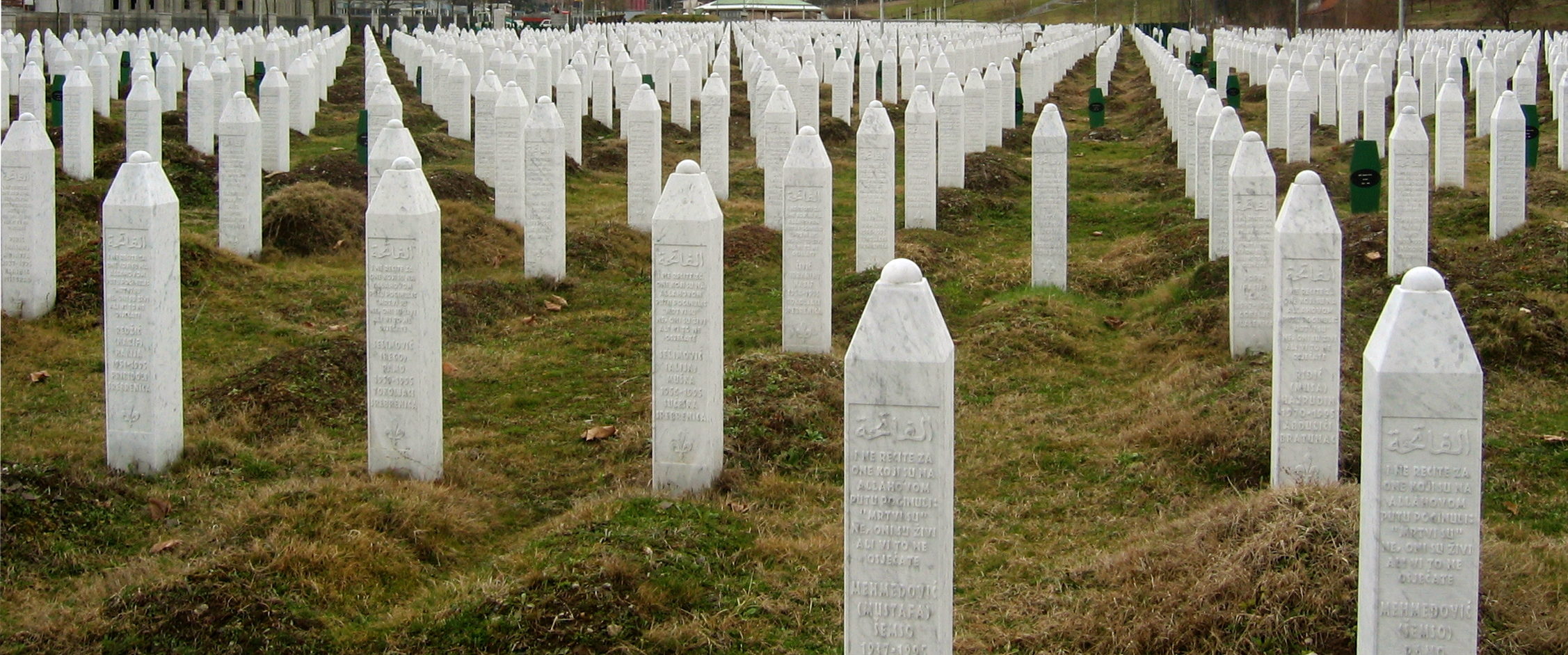
Sharing knowledge and resources to strengthen policymakers’ and practitioners’ commitment and capacity to prevent atrocities around the world.

About Project

The Atrocity Prevention Study Group (APSG) is an innovative forum for policymakers and practitioners to discuss both practical and theoretical aspects of atrocity prevention on an unclassified, non-partisan, non-attributable basis. The APSG connects stakeholders inside and outside of U.S. government with scholars and experts to share resources and knowledge on atrocity prevention and identify challenges, good practices, lessons learned, and policy options. It is a one-of-a-kind forum held monthly to keep stakeholders up-to-date with the latest atrocity prevention scholarship, deepen understanding of potential atrocity situations, and offer resources for decision-making.

For more information on the APSG, please contact Jim Finkel at [email protected]
Project Team

No data was found

Research & Writing

Project Note

Reflections on the Work of the Atrocity Prevention Study Group in 2025

A summary of convenings focused on atrocity prevention theories, programming, projects, and research.
Juliet Weis
February 10, 2026

Issue Brief

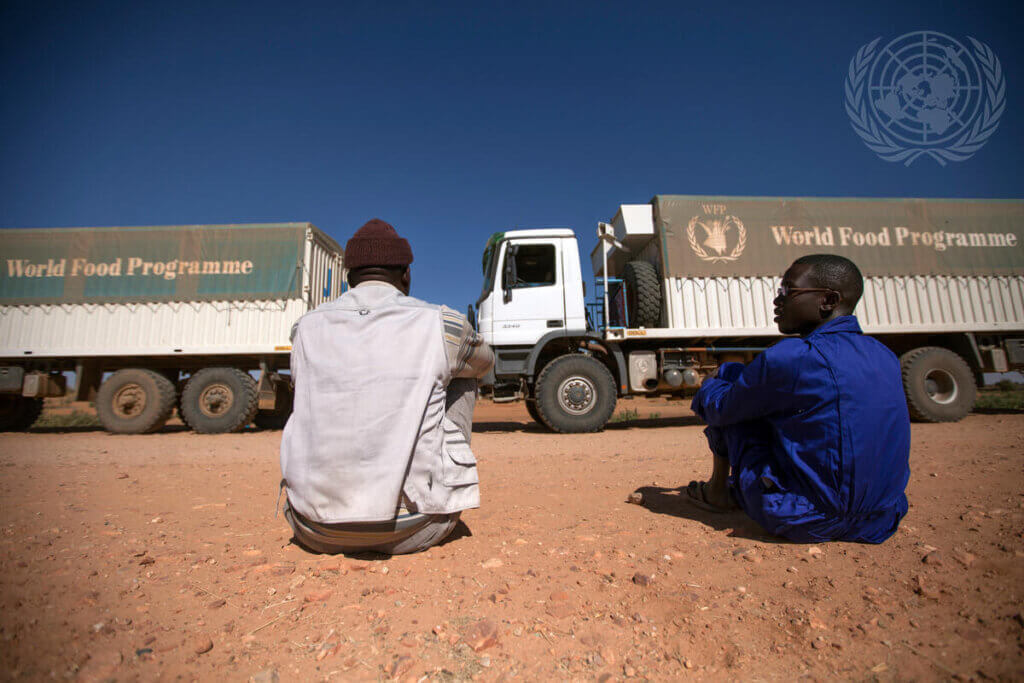
Preventing Starvation Crimes: Lessons Learned from Tigray

Exploring how conflict, starvation, and international frameworks are interlinked in order to prevent future systemic crimes against civilians.
Shane Goetz
February 24, 2025

Project Note

Where Did APSG Take Us in 2024?

A year of engagement with practitioners and academics on innovative approaches to atrocity prevention in the US and globally.
Juliet Weis
December 18, 2024

Issue Brief

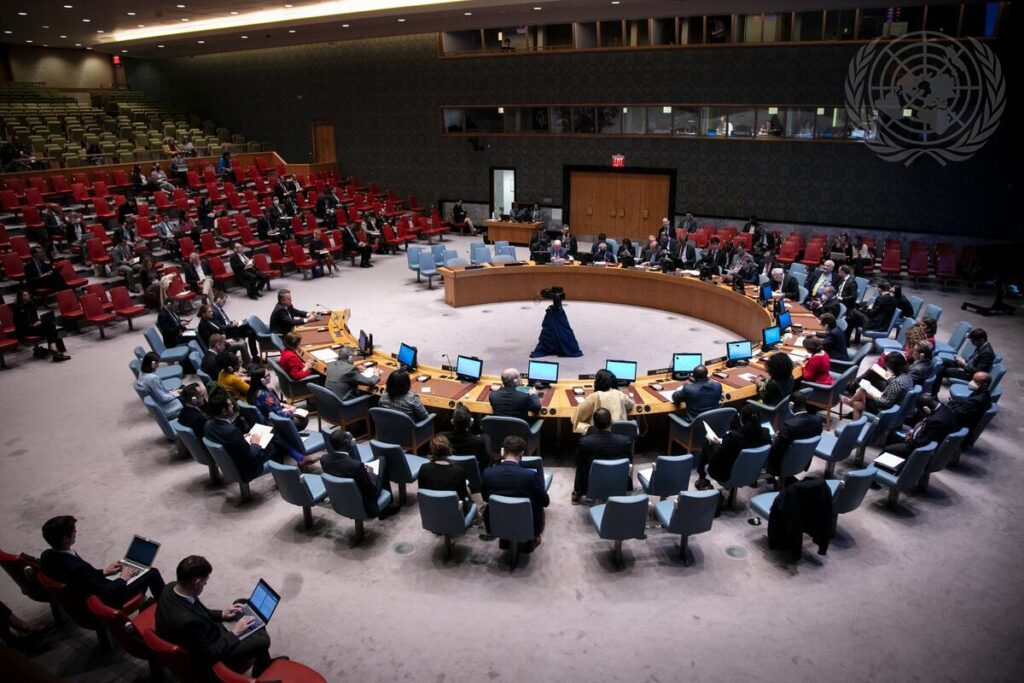
An Assessment of the UN Office on Genocide Prevention and the Responsibility to Protect

An analysis of the roles, responsibilities, and operational realities of the UN Office on Genocide Prevention and the Responsibility to Protect
Ernesto Verdeja .  Douglas Irvin-Erickson
December 3, 2024

Project Note

Looking Back at APSG Throughout 2023

Reflecting on another successful year of strengthening both U.S. and global atrocity prevention efforts through research and engagement
Ryan Fletcher
February 26, 2024

Issue Brief

Whither Atrocity Prevention at the UN? Look Beyond R2P and the Security Council

U.N. bodies outside the Security Council have continued to make substantive — if overlooked — contributions to atrocity prevention objectives.
Federica D’Alessandra .  Gwendolyn Whidden
November 6, 2023

Issue Brief

Social Media Mis-/Disinformation and the Risk of Atrocities in the United States

Exploring opportunities to enhance atrocity prevention and early warning through improved tracking and understanding of online false narratives
Roudabeh Kishi
October 4, 2023

Project Note

Country Research Project on Atrocity Prevention

APSG seeks proposals from atrocity prevention researchers and practitioners on new, policy-relevant research for a single country case study where there is an emerging risk of mass violence and atrocities to civilians.
April 17, 2023

Project Note

Contemporary Challenges and New Ideas in Atrocity Prevention Research

Call for Research Policy Papers
December 14, 2022

Issue Brief

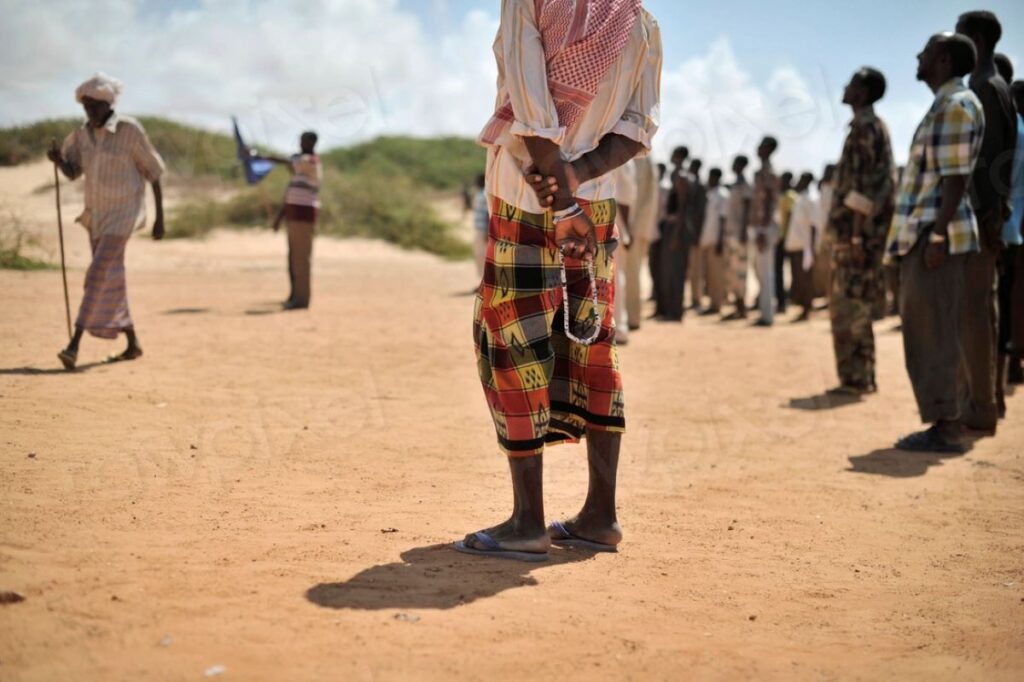
Preventing Atrocities Among Pastoral Communities Through Disarmament

Approaches to atrocity prevention in the Horn of Africa should integrate kinship social networks into disarmament, demobilization, and reintegration programs
Francis Onditi
September 29, 2022

Issue Brief

From Network Analysis to Creative Leverage: Mapping new horizons of modern atrocity prevention

Mapping and tracking networks provide new opportunities for the atrocity prevention practice
Kate Ferguson
September 29, 2022

Issue Brief

Technological Change and the UN Framework of Analysis for Atrocity Crimes

Developments in new and emerging technologies present key reasons to revise the UN Framework of Analysis for Atrocity Crimes.
Federica D’Alessandra .  Ross James Gildea
July 25, 2022

Issue Brief

Social Media Misinformation and the Prevention of Political Instability and Mass Atrocities

Atrocity prevention stakeholders face profound challenges from the quantity, speed, and increasing sophistication of online misinformation
Kristina Hook .  Ernesto Verdeja
July 7, 2022

Issue Brief

Climate Stress and Civilian Targeting in the Sahel: Between Violence and Opportunity

This report assesses the potential relationship between climate and environmental security and violence against civilians by different actors
Britt Koehnlein .  Ore Koren
June 28, 2022

Issue Brief

Disinformation and Democratic Transition: A Kenyan Case Study

Technological developments have strengthened atrocity prevention efforts; however, these technologies can also be harnessed to exploit vulnerabilities and grievances during election periods
Gillian McKay
June 22, 2022

Report

An Assessment of the Risk of Mass Atrocities in Uganda

Effective tools for violence and atrocity prevention already exist within communities and can be used to reduce conflict in mid-risk countries like Uganda.
Emily Sample .  Lina Zedriga Waru Abuku
October 29, 2021

Project Note

Looking Back at 2020: APSG Meetings and Featured Speakers

Amidst a challenging year, the Atrocity Prevention Study Group grew and continued to highlight important atrocity prevention issues
Alex Hopkins
February 5, 2021

Project Note

Upcoming Meetings – Atrocities Prevention Study Group

The Atrocity Prevention Study Group (APSG) is an innovative, safe, and reliable space where sitting government officials, scholars, and NGO representatives come together to discuss both practical and theoretical aspects of atrocity prevention on an unclassified, non-partisan, non-attributable basis. The APSG meets monthly to discuss a range of thematic and regional atrocity prevention topics.
January 29, 2020

Commentary

Overcoming Obstacles to Mass Atrocity Prevention

July 29, 2014

Recent Publications

Project Note

Reflections on the Work of the Atrocity Prevention Study Group in 2025

Juliet Weis
Issue Brief

Preventing Starvation Crimes: Lessons Learned from Tigray

Shane Goetz
Project Note

Where Did APSG Take Us in 2024?

Juliet Weis
Issue Brief

An Assessment of the UN Office on Genocide Prevention and the Responsibility to Protect

Ernesto Verdeja | Douglas Irvin-Erickson
Project Note

Looking Back at APSG Throughout 2023

Ryan Fletcher
Issue Brief

Whither Atrocity Prevention at the UN? Look Beyond R2P and the Security Council

Federica D’Alessandra | Gwendolyn Whidden
Issue Brief

Social Media Mis-/Disinformation and the Risk of Atrocities in the United States

Roudabeh Kishi
Project Note

Country Research Project on Atrocity Prevention

No authors found
Project Note

Contemporary Challenges and New Ideas in Atrocity Prevention Research

No authors found
Issue Brief

Preventing Atrocities Among Pastoral Communities Through Disarmament

Francis Onditi
Issue Brief

From Network Analysis to Creative Leverage: Mapping new horizons of modern atrocity prevention

Kate Ferguson
Issue Brief

Technological Change and the UN Framework of Analysis for Atrocity Crimes

Federica D’Alessandra | Ross James Gildea

Sub-Projects

There are no subprojects associated with this project.

Events

Past Events

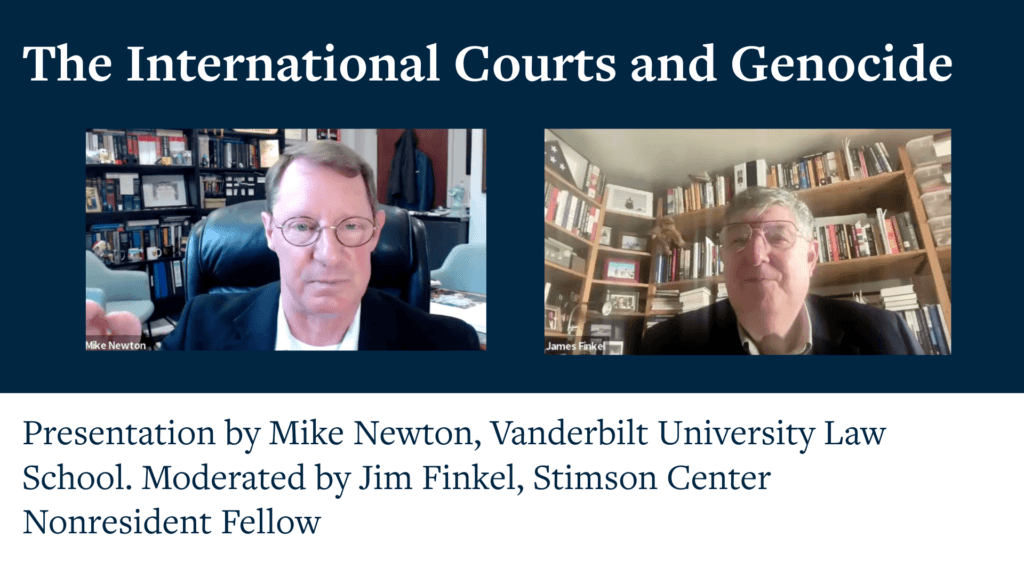
The International Courts and Genocide

Professor Mike Newton of Vanderbilt University Law School will offer some thoughts on the way the various international courts are approaching the crime of genocide and will describe his recent expert testimony before…

  • March 18, 2026
  • 12:00 - 1:30 PM (US Eastern)
  • Online Only

Past Events

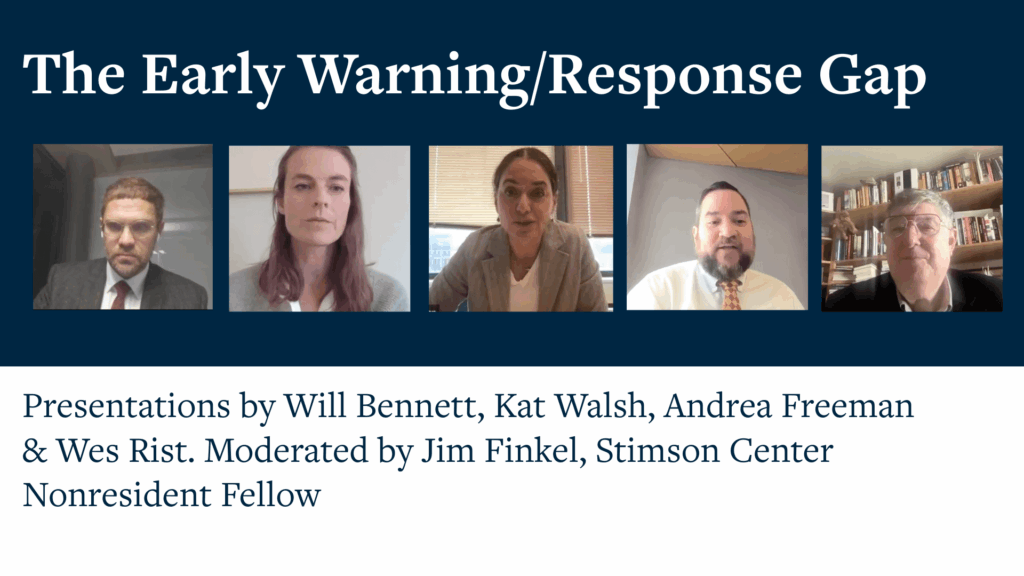
The Early Warning/Response Gap

Will Bennett, Fellow at The Centre on Armed Groups, will walk us through a co-authored recent essay published through NYU’s Center on International Cooperation on the Early Warning/Response Gap. Three former US officials,…

  • January 22, 2026
  • 12:00 - 1:30 PM (US Eastern)
  • Online Only

Past Events

The Future of International Criminal Law

Our distinguished panel of international lawyers, Professors Harold Koh (Sterling Professor of International Law at Yale Law School and former Legal Adviser to the US State Department), Dermot Groome (Harvey A. Feldman Distinguished…

  • November 17, 2025
  • 3:00 - 4:30 PM (US Eastern)
  • Online Only

Past Events

Professor Emilie A. Caspar’s “Just Following Orders: Atrocities and the Brain Science of Obedience”

Professor Emilie A. Caspar of the University of Ghent, Belgium will walk us through the key findings of her fascinating recent book. Tim Phillips, the founder and CEO of Beyond Conflict, a non-profit…

  • October 16, 2025
  • 12:00 - 1:30 PM (US Eastern)
  • Online Only
Load More
Load More

About Stimson

  • Mission & Vision
  • News & Announcements
  • Programs
  • History
  • Loomis Council
  • EastWest Council

Transparency

  • Ethics & Independence
  • Funding & Finances
  • Our Core Values

People

  • Staff & Affiliates
  • Board of Directors
  • Work at Stimson

Contact

General

  • 202.223.5956
  • 1211 Connecticut Ave NW, 8th Floor, Washington, DC 20036
  • Fax: 202.238.9604

Media Inquiries

  • 202.478.3437
  • Caiti Goodman,
    Communications Dept.
  • News & Announcements

Copyright The Henry L. Stimson Center

Privacy Policy

Subscribe

The latest research updates & events delivered to your inbox.

You can opt out at any time. We respect your privacy and will not sell your personal information. See our privacy policy for more.


Make a Donation

Donate Now

Other ways to give:

  • Mail a check made out to The Henry L. Stimson Center to 1211 Connecticut Avenue, NW Suite 800, Washington, DC 20036.
  • To donate via wire or ACH or make a planned gift or a stock donation contact Vibha Bhatia.

Search Stimson