




























































Project

Methodology

About the Project

To overcome data gaps, CORVI combines remote sensing, empirical data, and expert surveys to provide a holistic, data driven assessment for the coastal city assessed. This data is then combined with local interviews, reports, and academic literature to produce targeted recommendations to build resilience.

Project Team

Research & Writing

Explainer

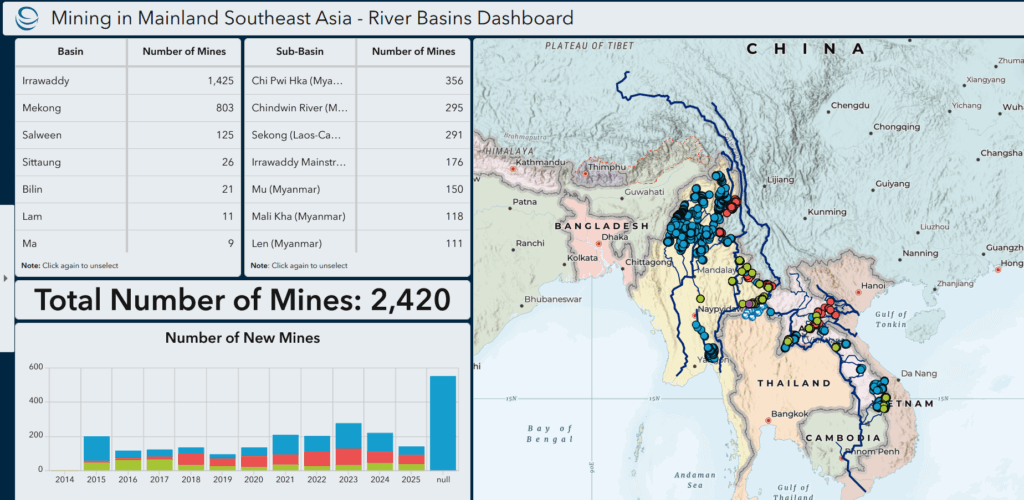
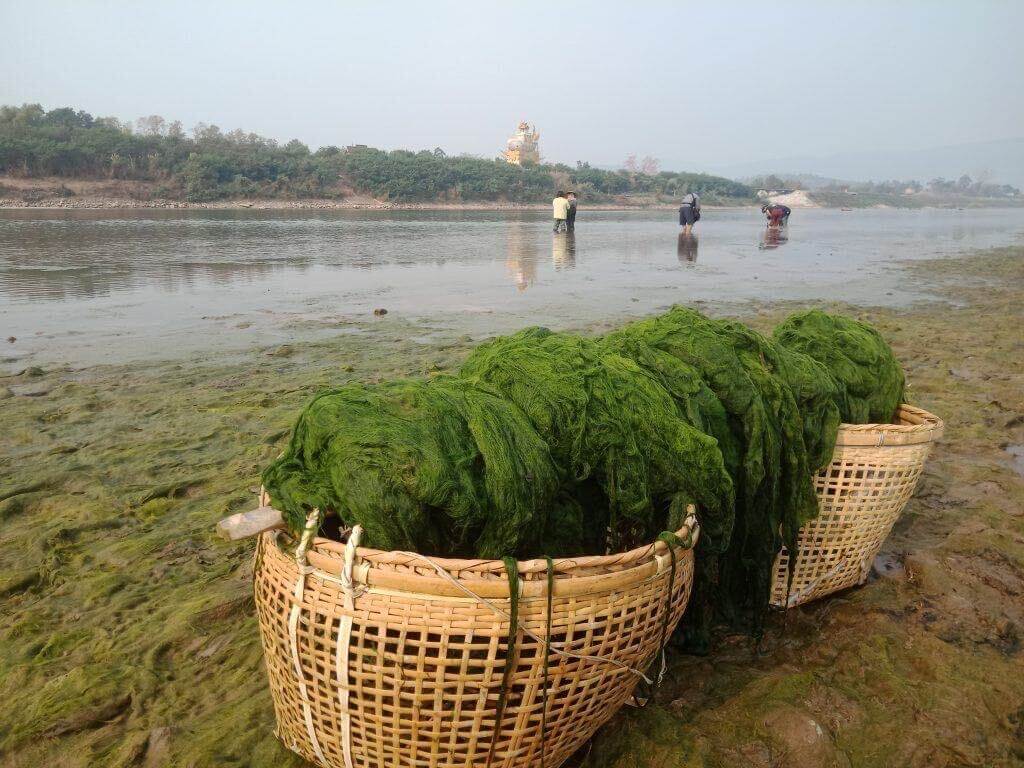
New data unveils the huge scale of unregulated mining along rivers in Myanmar, Laos, and Cambodia with implications for the health and safety of communities and ecosystems.
March 20, 2026

Issue Brief

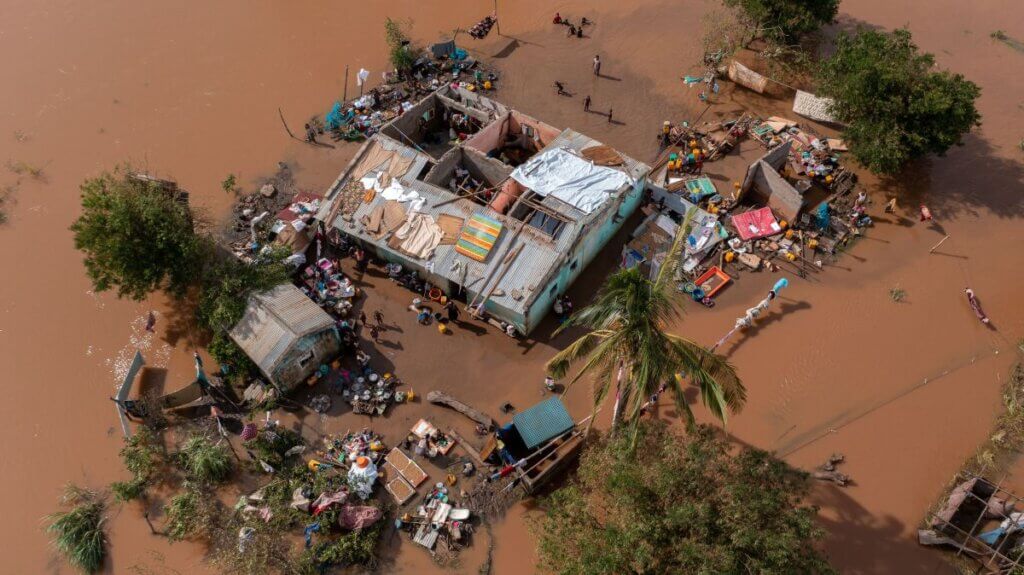
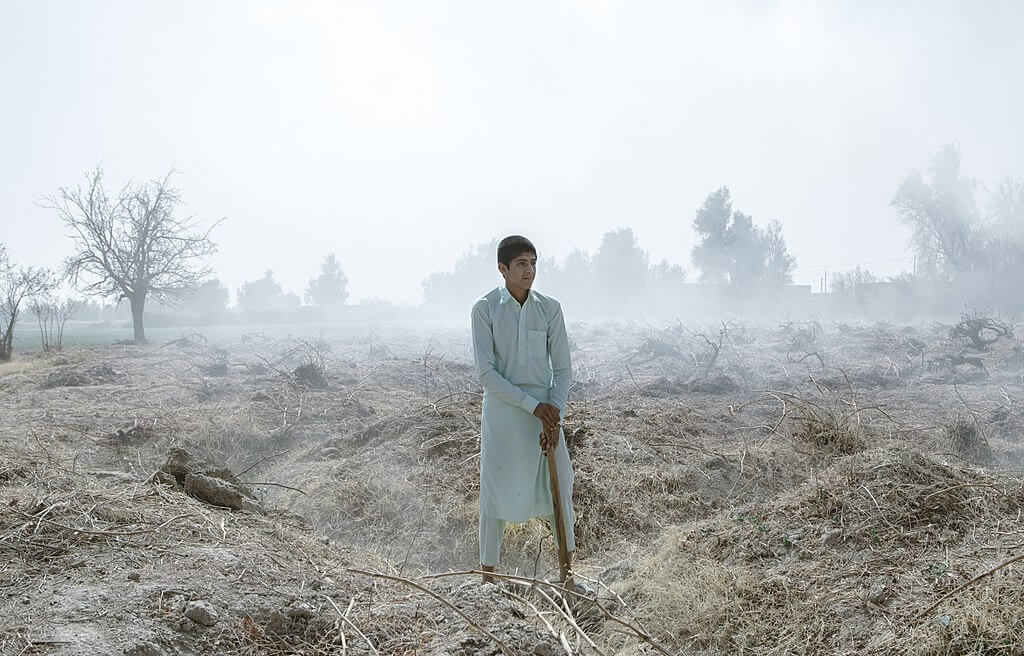
Across the developing world, poor rural farming communities are being left behind, and without assistance, they risk taking the rest of their countries with them.
March 17, 2026

Commentary

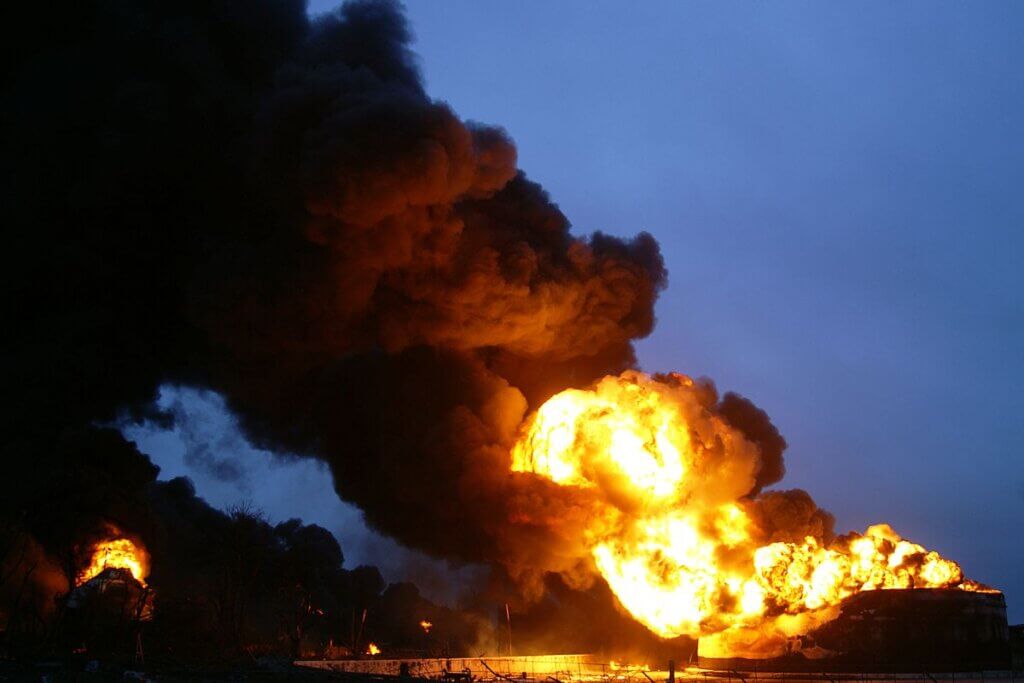
As the war with Iran expands into a broader regional conflict, the Stimson Center’s Environmental Security Program spoke with two leading experts on civilian infrastructure targeting in the Middle East to put last weekend’s strikes in context.
March 11, 2026

Explainer

ຂໍ້ມູນໃໝ່ໄດ້ເປີດເຜີຍໃຫ້ຮູ້ໃນວົງກວ້າງກ່ຽວກັບການຂຸດຄົ້ນ-ປຸງແຕ່ງແຮ່ທີ່ບໍ່ຖຶກຕ້ອງຕາມແມ່ນໍ້າສາຍຕ່າງໆ ຢູ່ໃນປະເທດພະມ້າ, ປະເທດລາວ, ແລະ ປະເທດກໍາປູເຈຍ ເຊິ່ງມີຜົນກະທົບຕໍ່ສຸຂະພາບ ແລະ ຄວາມປອດໄພຂອງຊຸມຊົນ ແລະ ລະບົບນິເວດ.
March 6, 2026

Commentary

The need to secure critical minerals, combined with recent U.S. actions, is impacting arguments that surround seabed mining.
February 23, 2026

Commentary

Without structural solutions that address both fronts together, the region is heading toward another cycle of sectarian violence.
January 21, 2026

Commentary

Not bombing Iran does not mean abandoning its people.
January 15, 2026

Commentary

In seven months after Assad fell, Israel attacked Syria nearly 1000 times.
January 14, 2026

Commentary

The internationally recognized government of Yemen remains in place, but the locus of decision-making has shifted to Riyadh.
January 12, 2026

Commentary

From Iran to Yemen, Lebanon to Syria to Gaza and the West Bank, more people are likely to die from armed confrontations, humanitarian failures, and external intervention.
January 7, 2026

Commentary

Greater access to information, ironically, limits the ability of protestors to coalesce into a single, decisive political force.
January 5, 2026

Commentary

The journey from ICFP2025 to COP30 included some major milestones—and some compromises—on linking climate resilience and reproductive health.
December 18, 2025

Commentary

A major challenge to the peace process involves the future of the Syrian Democratic Forces, the Kurdish forces in Syria.
December 17, 2025

Commentary

The project fits a long-standing pattern in Iran of improvisation rather than reform.
December 11, 2025

Commentary

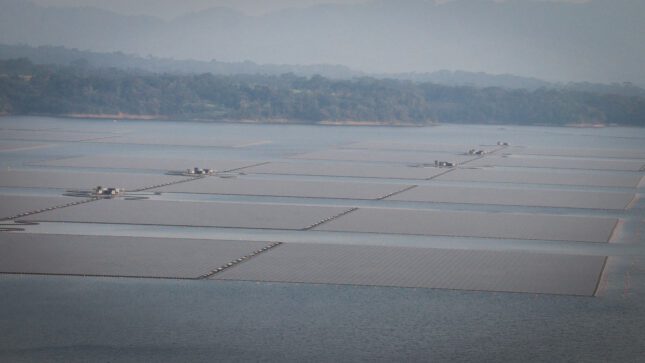
Indonesia’s ambitious journey to scale up solar power is a compelling case study in how international investment and technology can accelerate a clean energy transition.
December 3, 2025

Commentary

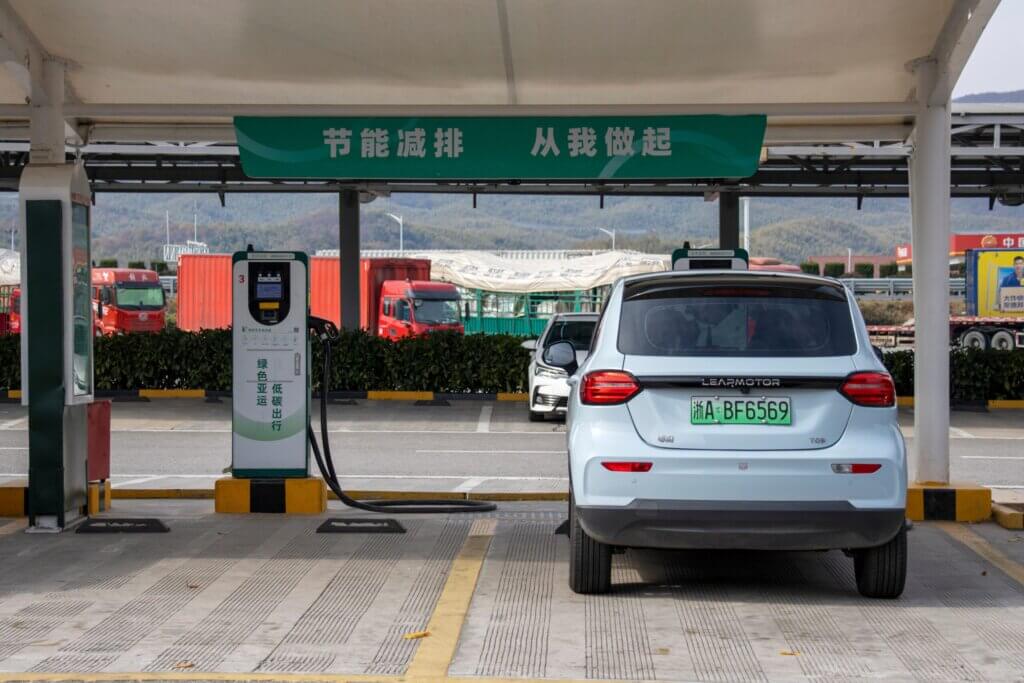
China’s dominance in the EV export market is raising the alarm on national security threats, highlighting current tradeoffs between affordable adaptation and security risks.
November 25, 2025

Commentary

The Stimson Center’s Environmental Security Program sat down with Monica P. Medina, former Assistant Secretary of State for Oceans and International Environmental and Scientific Affairs, to discuss her impressions of COP30.
November 24, 2025

Commentary

Iraq’s cyber vulnerabilities are rooted in legacy systems, underfunded IT governance, underdeveloped legal protections, and the worldwide phenomenon of digital illiteracy.
November 24, 2025

Explainer

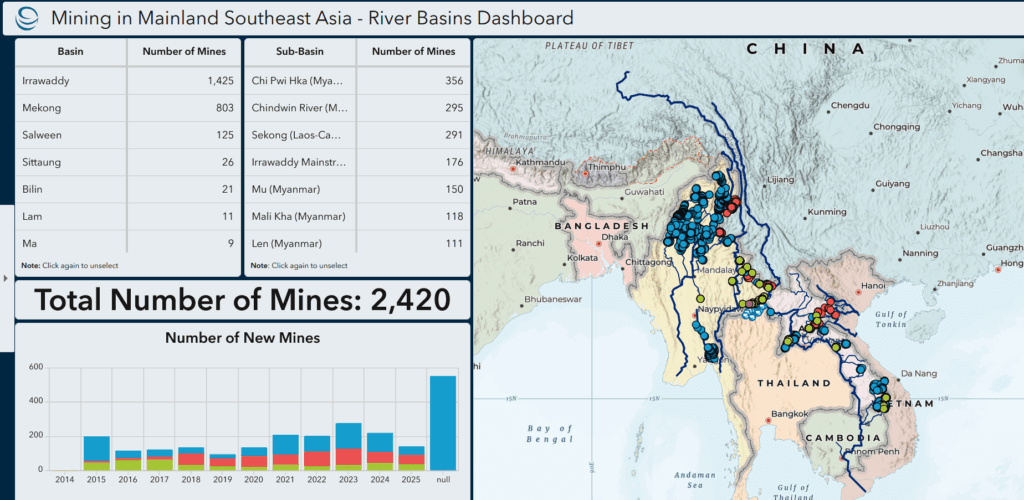
New data unveils the huge scale of unregulated mining along rivers in Myanmar, Laos, and Cambodia with implications for the health and safety of communities and ecosystems.
November 24, 2025

Commentary

The EU has yet to fully wield its political and economic weight, which risks eroding its credibility as a strategic partner for the GCC in managing regional tensions.
November 20, 2025

Commentary

Amid rising tensions in the Strait of Hormuz, India has an opportunity to address its energy vulnerabilities and achieve greater climate resilience.
November 19, 2025

Commentary

The leader’s eclipse has left Iran without a functioning helm and caused stasis across all sectors even as the country faces unprecedented domestic and foreign challenges.
November 12, 2025

Commentary

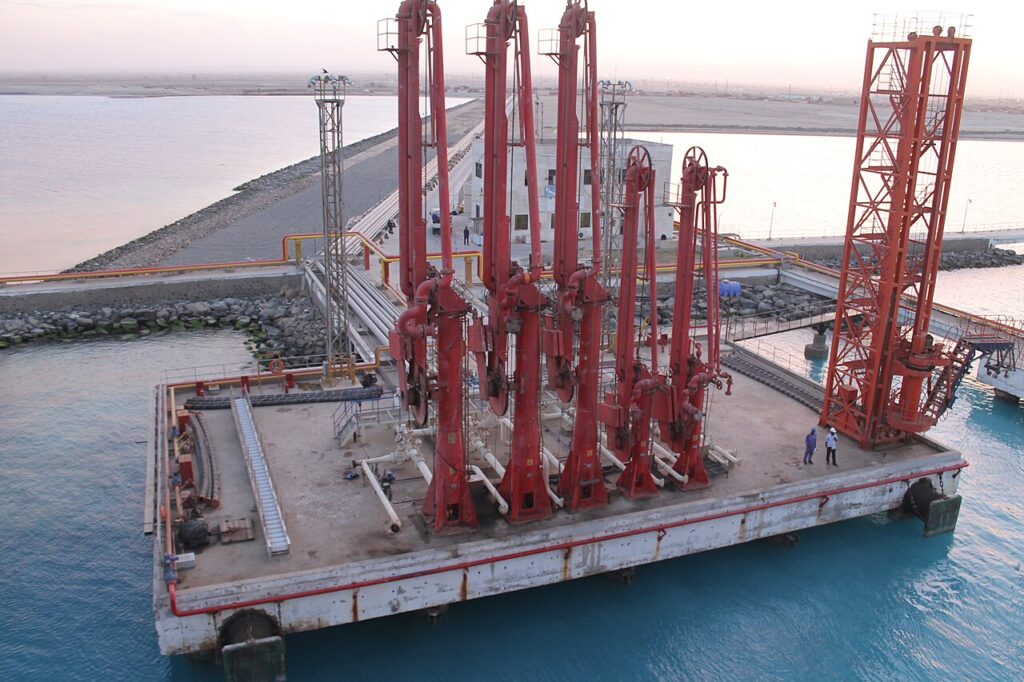
The Caspian coast of Iran is at a turning point, where environmental deterioration, economic losses, and geopolitical tensions collide.
November 7, 2025

Commentary

Europe and Latin America are seizing climate leadership, forging new alliances on clean energy and critical minerals as U.S. influence and interest on climate change recede.
November 7, 2025

Commentary

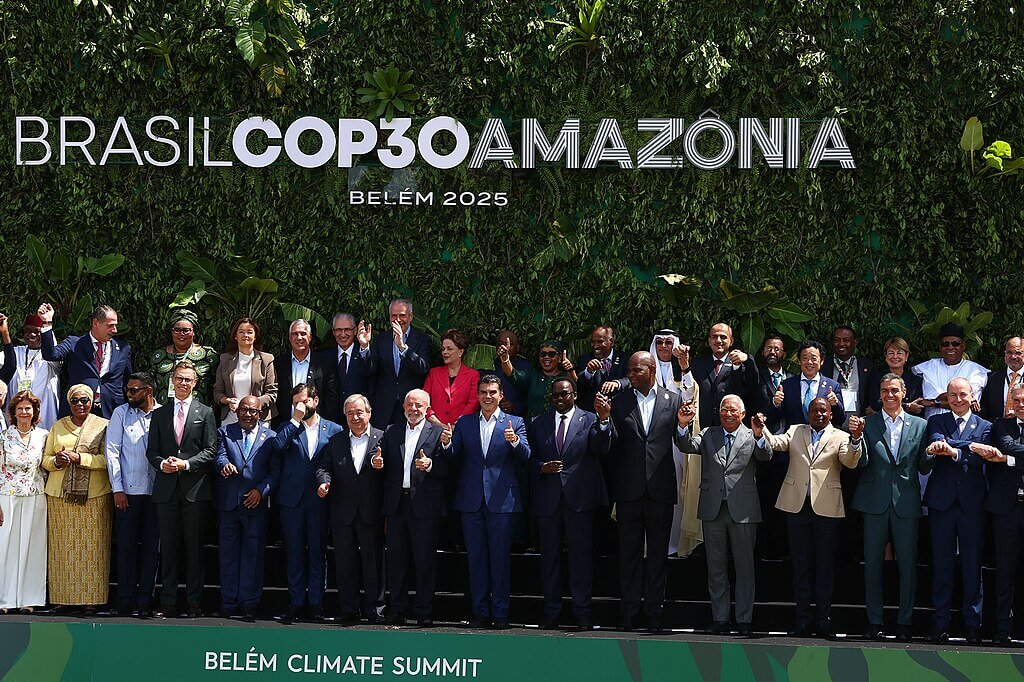
As COP30 begins in Belém, Brazil, the Bridgetown Initiative offers a blueprint — not just for islands, but for the global community’s capacity to rethink finance, justice, and resilience.
November 7, 2025

Commentary

COP30 will be the world’s first severe audit of collective climate action and its capacity to deliver long-delayed interventions.
November 7, 2025

Press Release

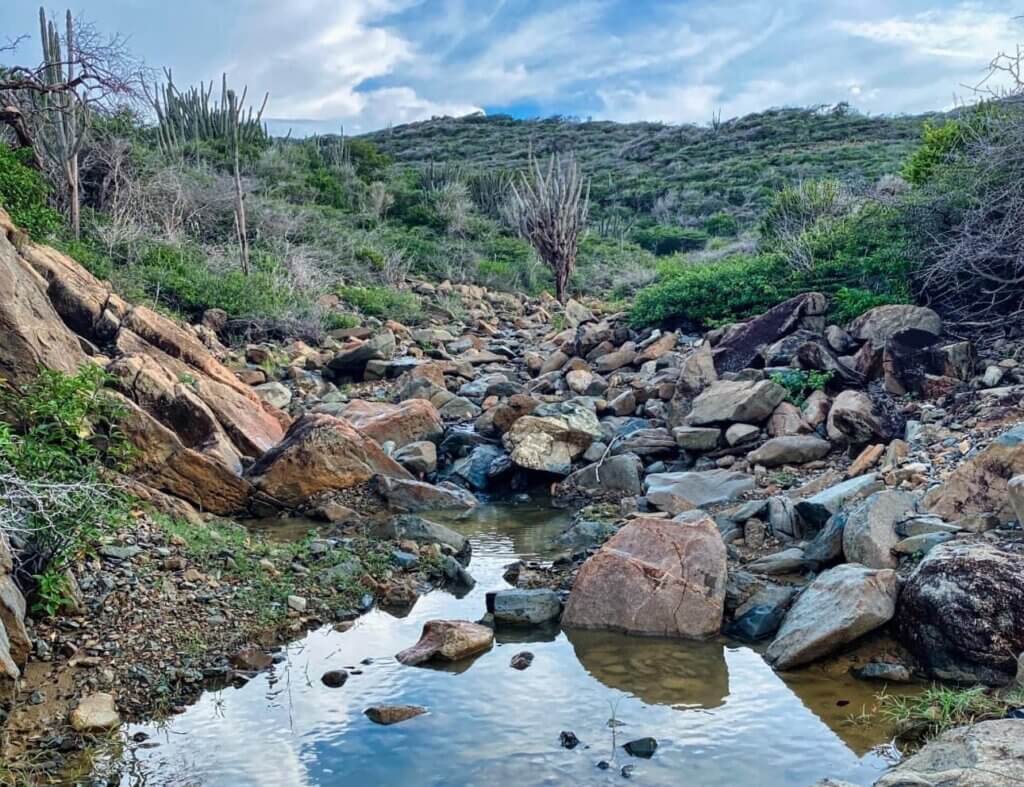
The Stimson Center and representatives of Aruba’s National Climate Resilience Council released the results of a year-long study to understand climate risks and build resilience in Aruba.
November 4, 2025

Commentary

The energy transition must prioritize expanding access for 750 million people without electricity, not just reducing fossil fuel consumption.
November 3, 2025

Report

In Aruba — where the economy is tethered to the health and resilience of coastal ecosystems — climate change is an existential threat.
November 3, 2025

Commentary

Making smart and effective investments in women and girls could help address some of the most universal and urgent concerns held across Africa, from rising unemployment to strained health systems
October 29, 2025

Chapter

What strategic thinking, if any, was behind Hamas’ decision to carry out the October 7 attacks?
October 6, 2025

Explainer

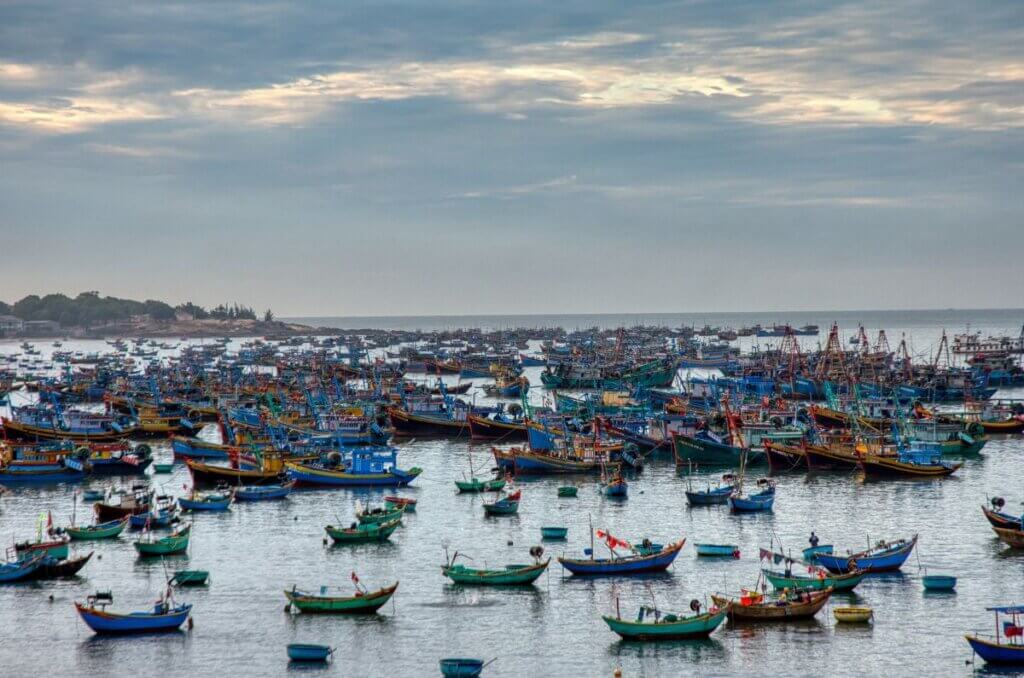
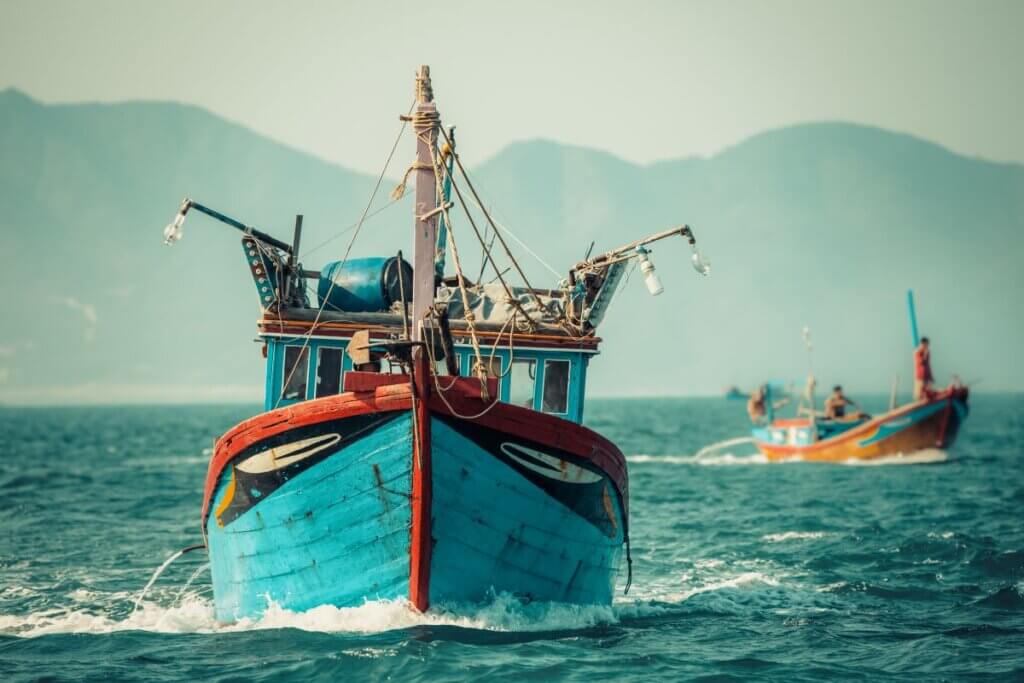
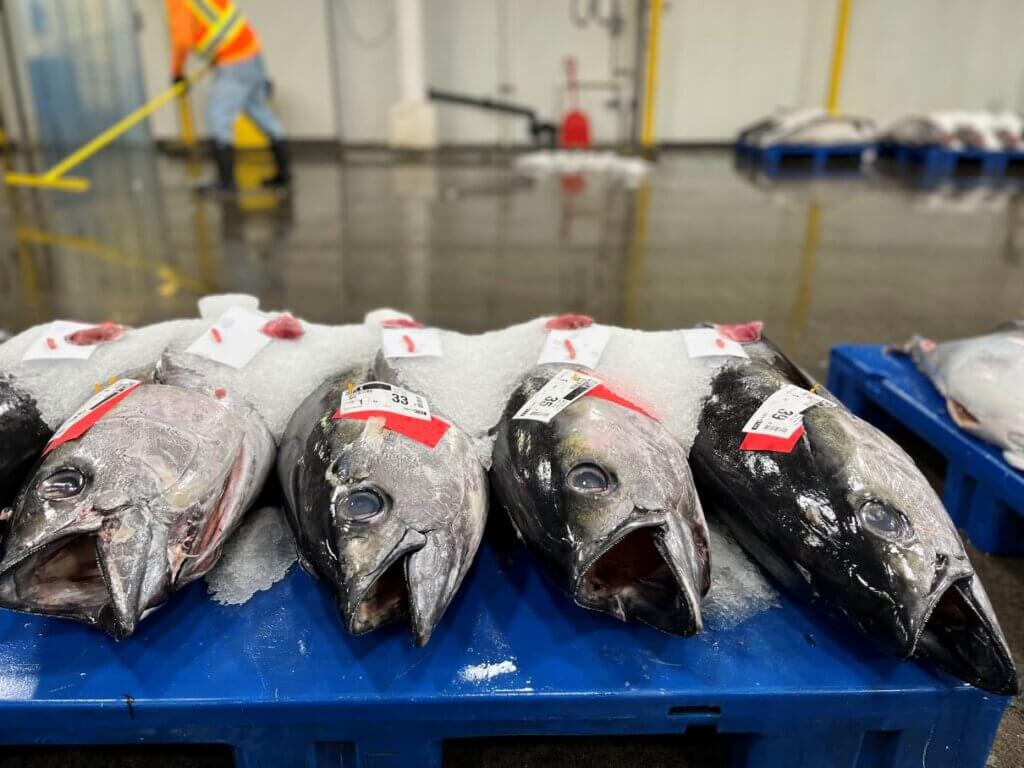
Militarized fishing fleets and territorial competition are destroying the South China Sea’s ecosystems and threatening global supply chains.
September 8, 2025

Issue Brief

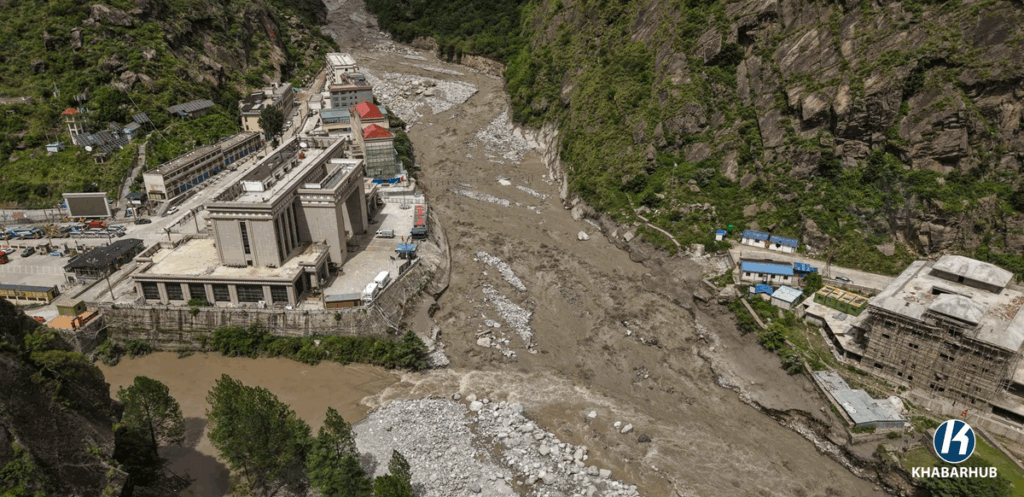
A transboundary flood along the China-Nepal border reveals the need for multi-hazard monitoring and better assessment of supraglacial lake risk.
July 19, 2025

Op-Ed

A trusted platform on environmental security finds a new institutional home amid rising global climate and security risks.
July 10, 2025

Commentary

A trusted platform on environmental security finds a new institutional home amid rising global climate and security risks.
July 8, 2025

Op-Ed

While these two glacier avalanche disasters are quite different, there are several important correlations between them.
June 6, 2025

Field Note

The Environmental Security Program assessed maritime security threats, advanced policy-driven innovations, and explored cutting-edge technologies to safeguard our oceans for the future.
May 19, 2025

Report

Assessing the governmental, environmental, and economic drivers of IUU fishing and maritime security threats in the South China Sea.
April 22, 2025

Data Tool

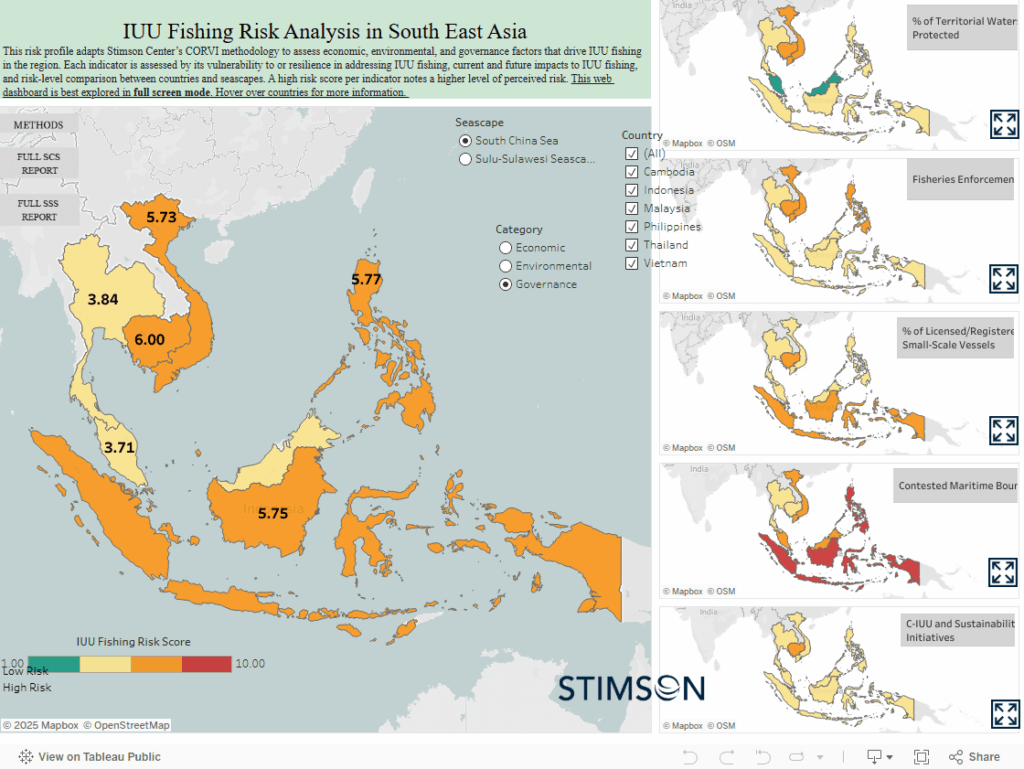
An interactive dashboard assessing risk of illegal, unreported, and unregulated (IUU) fishing in Southeast Asia.
April 22, 2025

Policy Memo

This policy roadmap report provides guidance on how to address needs and gaps in combating IUU fishing in Southeast Asia.
April 22, 2025

Report

Assessing the governmental, environmental, and economic drivers of IUU fishing and maritime security threats in the Sulu-Sulawesi Seascape.
April 22, 2025

Report

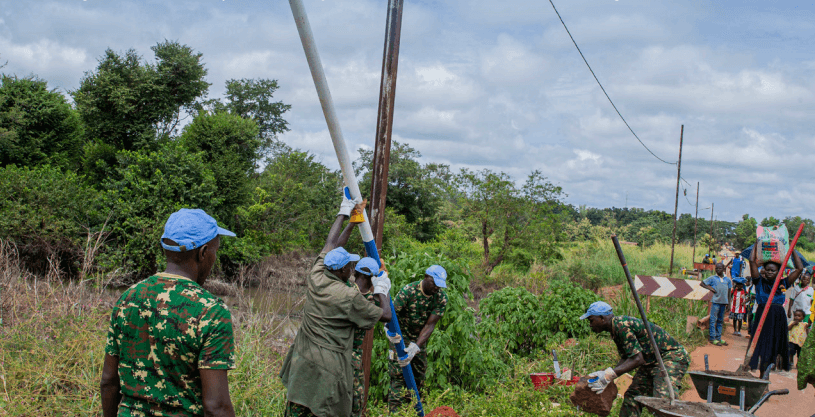
Exploring the role of electrification and renewable energy in supporting peace in CAR – with the help of UN peacekeeping.
March 31, 2025

Report

L’expérience et le potentiel de l’utilisation des énergies renouvelables par la mission de maintien de la paix des Nations Unies en République centrafricaine illustrent comment l’ONU peut montrer l’exemple.
March 31, 2025

Commentary

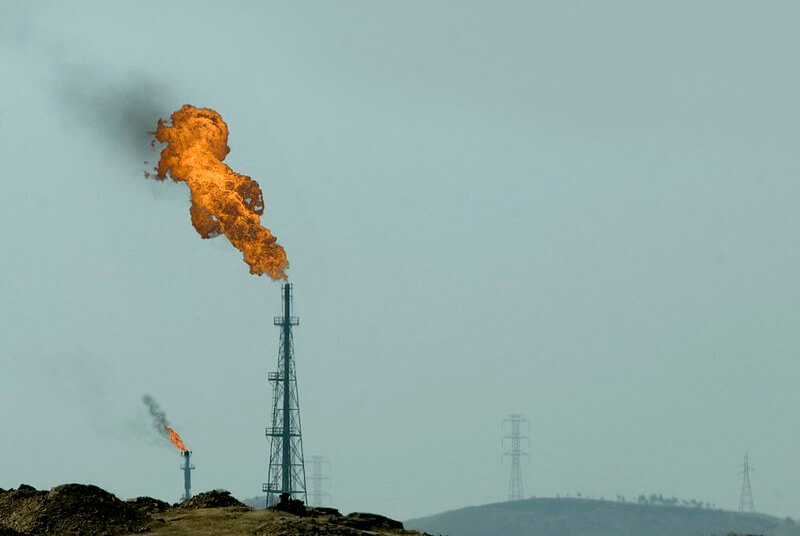
A new agreement to import Russian gas through Azerbaijan – signed by Iran’s president in Moscow — may reflect difficulties in constructing a pipeline under the Caspian Sea.
January 22, 2025

Report

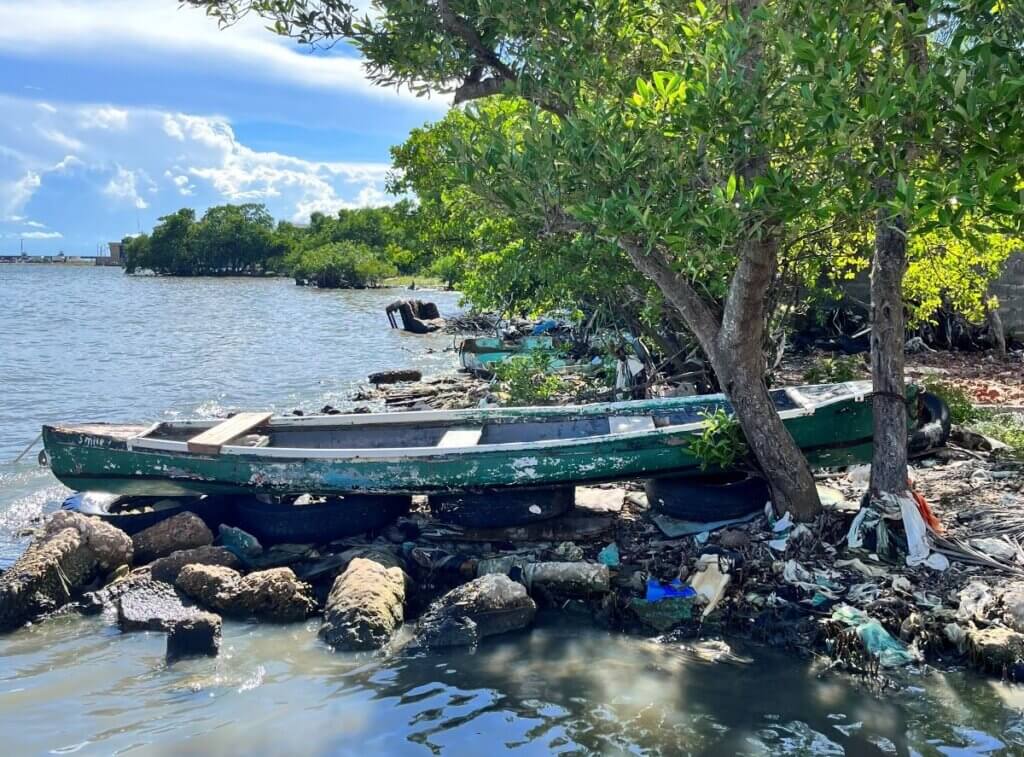
Measuring climate vulnerability – and finding practical ways to increase resilience – in Belize City.
January 13, 2025

Project Note

Launching the Global Peace Operations Initiative renewable energy report at the United Nations
December 10, 2024

Report

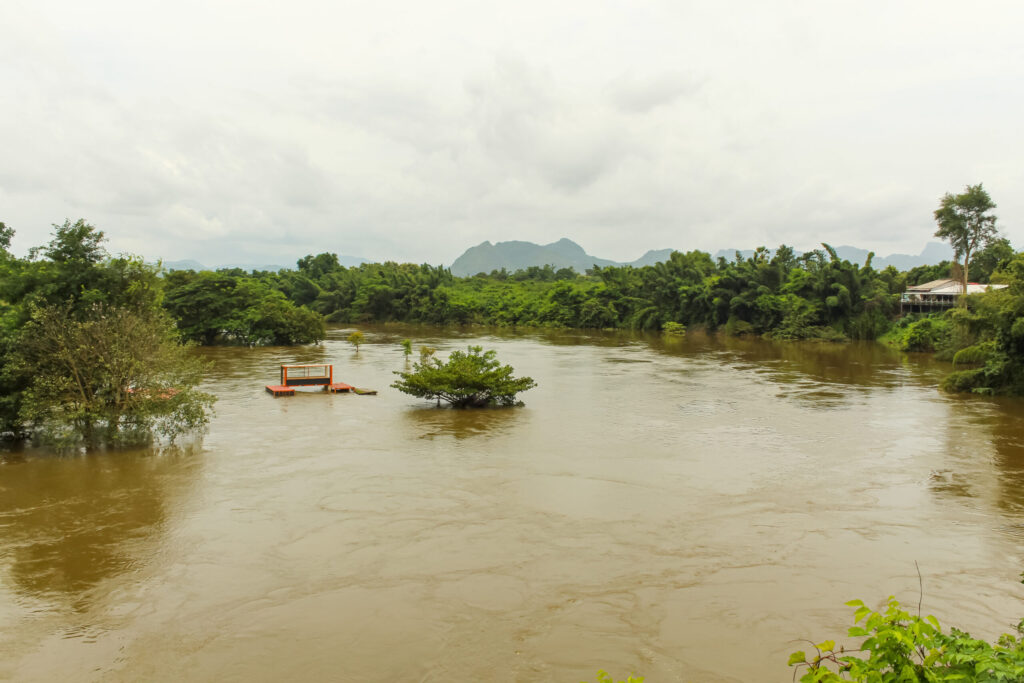
2023’s drought led to poor dam performance and closer to normal river levels through the first half of 2024.
December 9, 2024

Policy Memo

IUU fishing disrupts global supply chains, but the U.S. can lead in advancing seafood traceability with state of the art tools
November 21, 2024

Sub-Projects

There are no subprojects associated with this project.

Events

Given their location, coastal cities are likely to experience the earliest onset and potentially most severe impacts from climate change. In order for coastal cities to efficiently allocate resources and enact effective adaptation strategies, they must understand their multidimensional climate and ocean risks.

However, these efforts are impeded by data gaps. Data on climate risks is rarely available at the city level. When it does exist, it is often poorly managed and stored in silos that make it difficult to access and use, even for city government officials. This issue is compounded by technical, financial, and capacity gaps, trapping coastal cities in a vicious cycle where they cannot develop holistic strategies to prioritize investment and access the funds needed to implement resilience actions.

To overcome data gaps, CORVI combines remote sensing, empirical data, and expert surveys to provide a holistic, data driven assessment for the coastal city assessed. This data is then combined with local interviews, reports, and academic literature to produce targeted recommendations to build resilience.

The CORVI methodology, including its categories, indicator factors, and use of structured expert judgement, is detailed in regional reports: