Project

DLT and International Security Regimes

Applied research on distributed ledger technology to improve trust, security, and transparency

About the Project

Distributed ledger technology offers a novel technological solution for data verification and has the potential to build a “trust machine” among parties normally suspicious of one another. This project is spearheading applied research to identify ways the technology can benefit WMD nonproliferation and international security – a first in the field. Potential outcomes for the application of DLT to international security regimes could be significant for improving the timeliness for detecting diversion, unauthorized access, loss or theft of dual-use materials and technology.


Research & Writing

Commentary

As blockchain becomes a hot topic, learn more about its usefulness outside of the cryptocurrency sphere and its place in international information security.
July 11, 2022

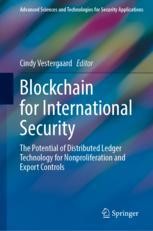
Book

DLT applications can increase assurances of compliance with nonproliferation and disarmament treaties
October 7, 2021

Issue Brief

China is a significant player in testing blockchain technology and implementing legal frameworks, regulations, and government initiatives around it.
August 16, 2021

Project Note

The Blockchain in Practice program tests the potential for Distributed Ledger Technology (DLT) platforms to increase transparency and security and address nonproliferation challenges
December 9, 2020

Resource

Distributed Ledger Technology (DLT; commonly known as blockchain) could enhance best practices for nuclear security, adding a layer of protection
September 3, 2020

Policy Paper

Distributed ledger technology has the potential to complement nuclear security practices and enhance the international security regime
June 26, 2020

Commentary

Blockchain has the potential to strengthen the implementation of export controls and enhance international security
April 6, 2020

Issue Brief

This policy analysis brief provides an overview of DLT and explores its utility for safeguards information management. It considers the landscape of factors determining how safeguards data is inputted, processed, and accessed. The findings and recommendations suggest where adding a DLT layer could be applied to provide greater efficiency, data reconciliation, accuracy, and trust in information management at the international, national, and facility levels.
November 6, 2018

Interactive

August 13, 2018

Sub-Projects

There are no subprojects associated with this project.