Project

MATCH Prototype

Exploring and testing distributed ledger technology as an innovative solution to reconciling discrepancies in international trade of dual-use chemicals.

About the Project

The Chemical Weapons Convention (CWC) requires that States Parties report annually on the transfer of chemicals listed under the Convention as part of ongoing efforts to prevent the re-emergence of chemical weapons programs. States report aggregate national data to the Organisation for the Prohibition of Chemical Weapons (OPCW), where the Technical Directorate does the challenging work of matching imports with exports.

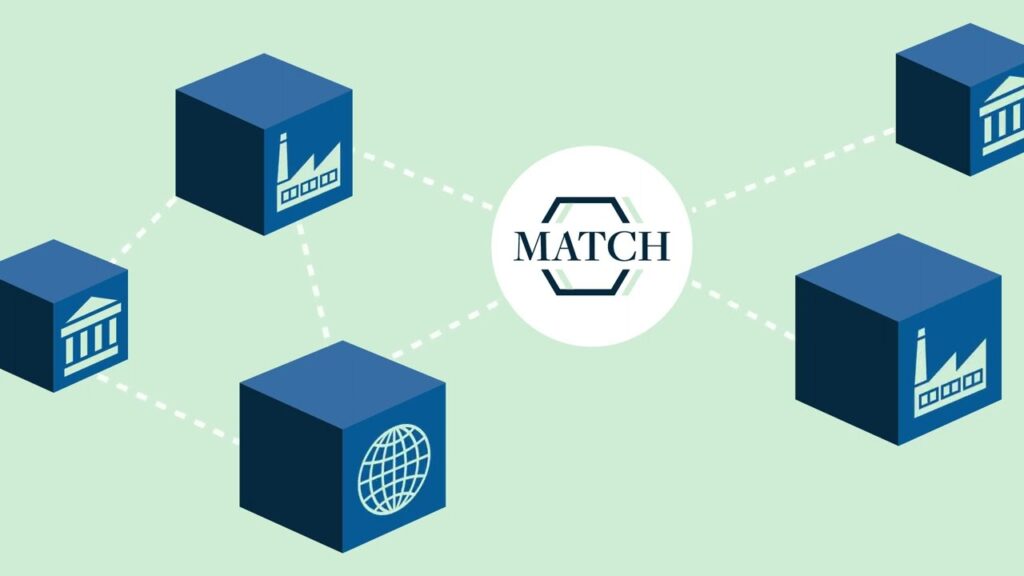
The Monitoring and Tracking Chemicals (MATCH) project is a prototype software system that will attempt to address fundamental challenges to reconciling transfer data for commonly traded Schedule 2 and Schedule 3 chemicals by establishing a secure, authoritative distributed ledger to simulate transfers between hypothetical States Parties.

The MATCH project began in September 2021 and the second iteration of project development will conclude in January 2025. The MATCH 2.0 proof-of-concept is being developed with financial contribution by Global Affairs Canada’s Weapons Threat Reduction Program.


Research & Writing

Report

Using Distributed Ledger Technology to resolve chemical trade discrepancies under the Chemical Weapons Convention.
May 15, 2025

Project Note

Testing next generation distributed ledger technology (DLT) for secure, accurate tracking of dual-use chemicals, detection of discrepancies, and mitigation of proliferation risks
November 4, 2024

Resource

MATCH ‘2.0’ expands and refines Stimson’s DLT proof-of-concept as a basis for demonstration and discussion with chemical industry and national authorities
January 25, 2024

Report

MATCH demonstrates how blockchain can reconcile discrepancies in dual-use chemical trade and reduce the risk of chemical weapons proliferation
July 25, 2023

Commentary

Elimination of the world’s last declared chemical weapons stockpile still leaves plenty of work to do to prevent proliferation
July 21, 2023

Video

An overview of how the MATCH proof-of-concept applies DLT to identify and reduce discrepancies in dual-use chemical trade.
June 29, 2023

Issue Brief

Discrepancies in declared quantities of dual-use chemicals transferred internationally are a growing problem – but blockchain technology may offer a solution.
March 30, 2023

Resource

The MATCH prototype shows how blockchain technology can be used to track international transfers of dual-use chemicals.
March 9, 2023

Video

Distributed ledger technology (DLT) for resolving transfer discrepancies in the global trade of CWC scheduled chemicals
October 28, 2022

Resource

April 21, 2022

Resource

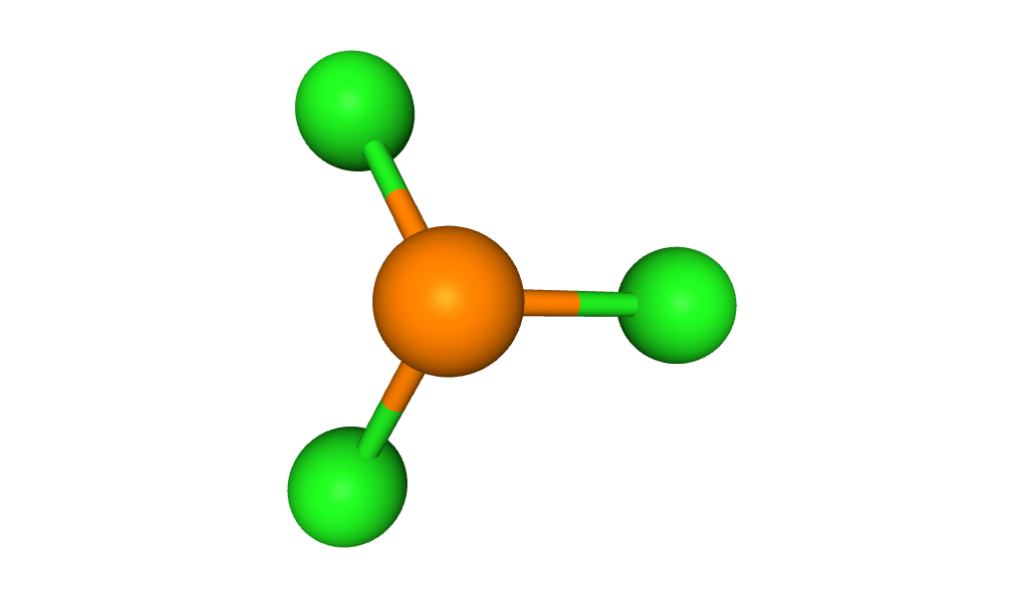
Phosphorus trichloride is one of the most commonly traded Schedule 3 chemicals.
March 21, 2022

Resource

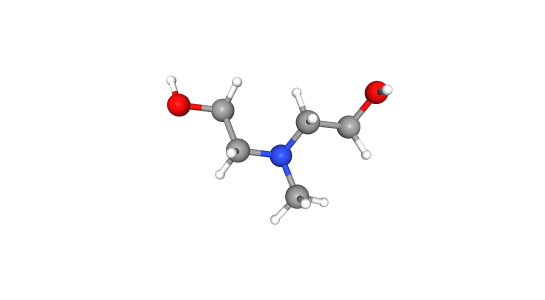
Methyldiethanolamine (MDEA) is one of the most commonly traded Schedule 3 chemicals
March 21, 2022

Resource

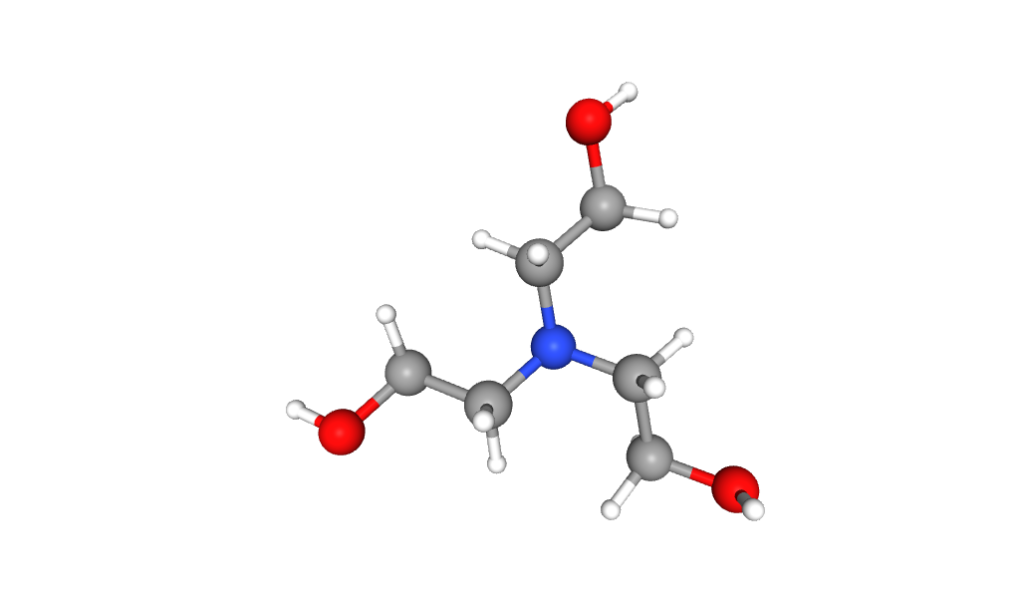
Triethanolamine is one of the most commonly traded Schedule 3 chemicals.
March 21, 2022

Resource

Discrepancies in annual declarations of scheduled chemicals transfers challenge the ability to track the international trade of Schedule 2 and 3 chemicals.
March 21, 2022

Book

DLT applications can increase assurances of compliance with nonproliferation and disarmament treaties
October 7, 2021

Project Note

The Blockchain in Practice program tests the potential for Distributed Ledger Technology (DLT) platforms to increase transparency and security and address nonproliferation challenges
December 9, 2020

Sub-Projects

There are no subprojects associated with this project.